Maintaining optimal eye health requires regular assessments to ensure your vision remains clear and your eyes are healthy. However, many use "vision screening" and "eye exam" interchangeably. This leads to confusion about their roles and what each entails.
At Omni Eye Specialists in Wilmington, we clarify the differences between the two. This will help you make informed choices regarding your eye care.
The Basics of Vision Screenings
Vision screenings are standard tests conducted to identify potential vision problems. Schools, workplaces, and even community health centers usually perform them. They aim to flag individuals who may need an examination by an eye care professional.
What to Expect
- Visual Acuity Test: The most common part of a vision screening involves reading letters on an eye chart from a set distance. This test measures the sharpness of your vision.
- Basic Eye Function Tests: These may include tests for color blindness, peripheral vision, and eye alignment. The methods are usually simple and quick.
- Questionnaire: You might need to answer questions about your vision and any difficulties you’ve been experiencing, such as headaches, eye strain, or difficulty seeing at night.
- Limitations: Despite being able to detect obvious issues like refractive errors (nearsightedness/farsightedness), they can miss more subtle or serious eye conditions, such as glaucoma or macular degeneration.
Comprehensive Eye Exams: An In-Depth Analysis
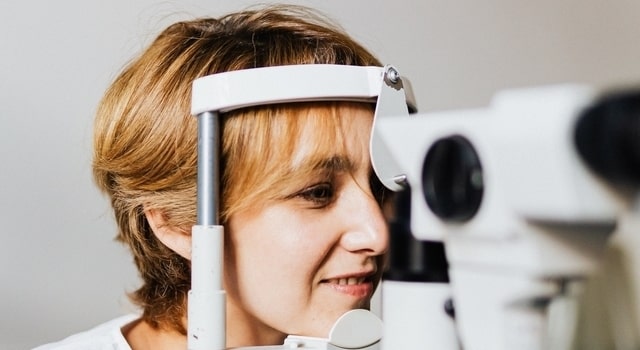
Eye exams are detailed evaluations that eye care professionals conduct to screen your vision and overall eye health. Optometrists clinically trained in eye health and vision care perform them.
What to Expect
- Medical History Review: One of our eye doctors will begin by asking about your medical history. This includes any eye problems you or your family members have experienced.
- Visual Acuity Test: Similar to vision screenings, you must read from an eye chart to determine your visual sharpness.
- Refraction Assessment: Our eye doctors will determine your eyeglasses or contact lenses prescription using a phoropter or automated refractor.
- Eye Muscle Test: This test examines the movement of your eyes to ensure they are working together properly. It is especially important for children with underlying binocular vision disorders like lazy eye (amblyopia) or strabismus (crossed eyes).
- Visual Field Test: This test checks for blind spots in your peripheral vision, which can indicate eye diseases or neurological conditions.
- Eye Health Evaluation: Your eye doctor will use specialized equipment to examine the structures of your eyes. This may include a retinal camera to examine the back of your eye (retina) and optic nerve. A tonometry test will measure the pressure inside your eyes to check for glaucoma. Additionally, an OCT scan provides detailed images of your retina’s layers.
Choosing the Right Eye Assessment
Vision screenings are a good initial step for identifying potential vision problems. However, you should never see them as a replacement for comprehensive eye exams. Only a detailed eye exam can diagnose and treat various eye conditions effectively.
- For Children: Regular vision screenings at school are beneficial. However, you should supplement them with comprehensive eye exams to catch any issues early in their development. We recommend the first eye exam at six months, another at age three, and then annually from age five.
- For Adults: Routine eye exams are important for maintaining eye health and detecting age-related conditions like presbyopia and diabetic retinopathy. Adults should have a comprehensive eye exam every one to two years or as their eye care professional recommends.
- For Seniors: The risk of eye diseases like macular degeneration, glaucoma, and cataracts increases with age. Seniors should, therefore, have more frequent eye exams to monitor and manage their eye health effectively.
Request An Eye Exam in Wilmington
At Omni Eye Specialists, we provide thorough and professional eye care. Request your comprehensive eye exam to ensure your eyes are in the best possible health.